AI and Higher Education
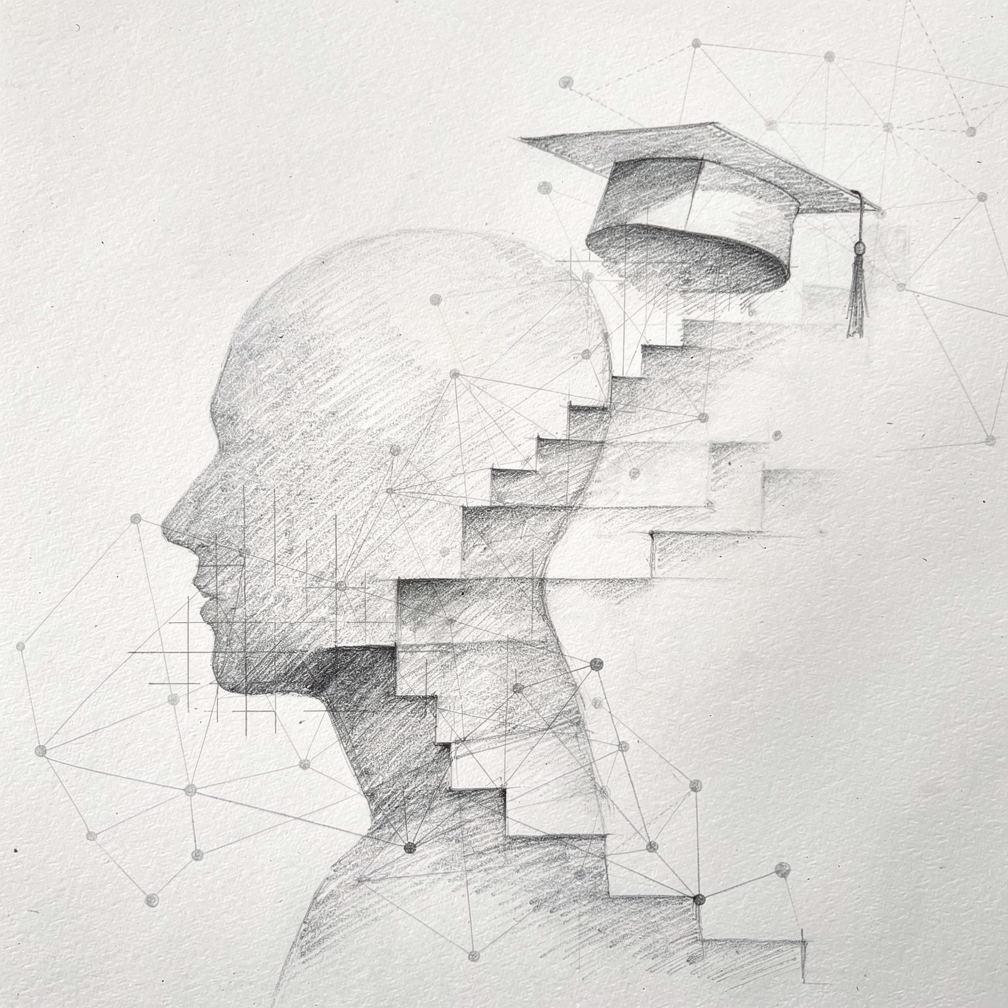
Slides, syllabus guidelines and other material on AI in higher education. I add to this page as my thinking develops.
Slides: Higher Education in the Age of Artificial Intelligence
Loading slides (can take a few seconds)…
AI Guidelines for Syllabi
This text reflects my current thinking, which is far from settled. Let me know if you have any feedback, but also feel free to use this or parts of it in your own syllabi (no attribution needed). A standalone version with a PDF is also available.
I encourage you to use large language models like ChatGPT to improve, speed up, or challenge your writing (be that of text or code)—I regularly do so myself. However, not only do I expect you do make every use very (!) transparent. I also want you to reflect on three things: First, current large language models are not very useful if it’s really important to get things right. If you see yourself working in an area where this matters, you will have to learn how to get things right. Second, current large language models are much more useful if you actually know what you’re doing—much like a cheat code in a video game is much more useful to someone who is actually good at the game. So if you want to be augmented instead of replaced by large language models, keep learning stuff. Lastly, by routinely relying on AI shortcuts you relinquish, as English professor Thomas Pfau puts it, ‘the experience of intellectual achievement and growth, which can only ever be the fruit of sustained personal effort’. Your time at university will become ‘a relentless series of logistical challenges’, rather than ‘a process of learning and intellectual and personal growth’. So think very clearly about what you are giving up—and risking—when trying to save some time.